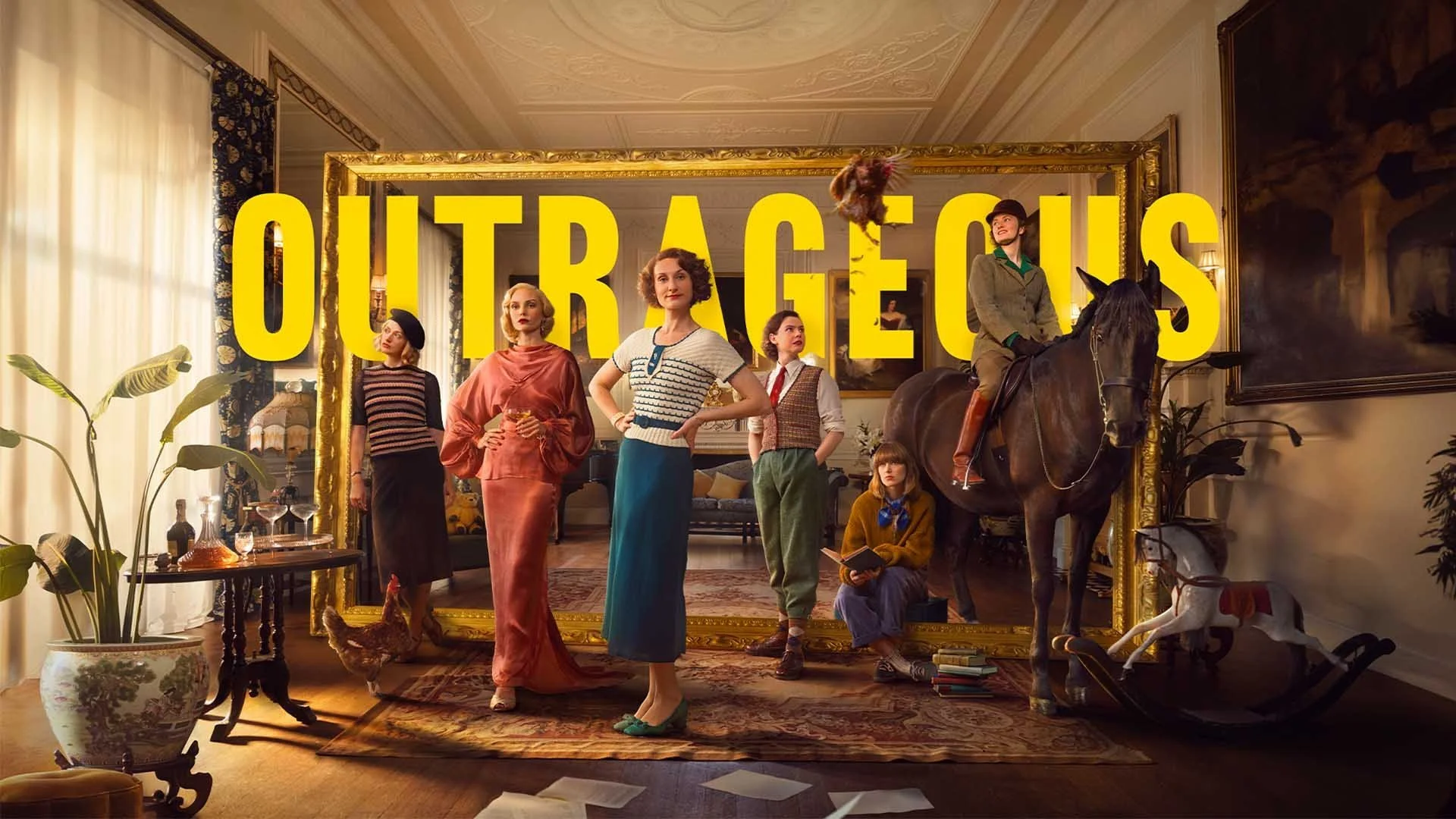
OUTRAGEOUS — BBC (2025)
Graphic Designer — Dailies
Fast-turnaround period graphics for 1930s political storytelling.
The Project
Brought in during peak production, I supported the graphics department with historically accurate, fast-turnaround design work across multiple sets. My contribution focused on politically charged propaganda and period ephemera that supported character and narrative.
IMDb Page
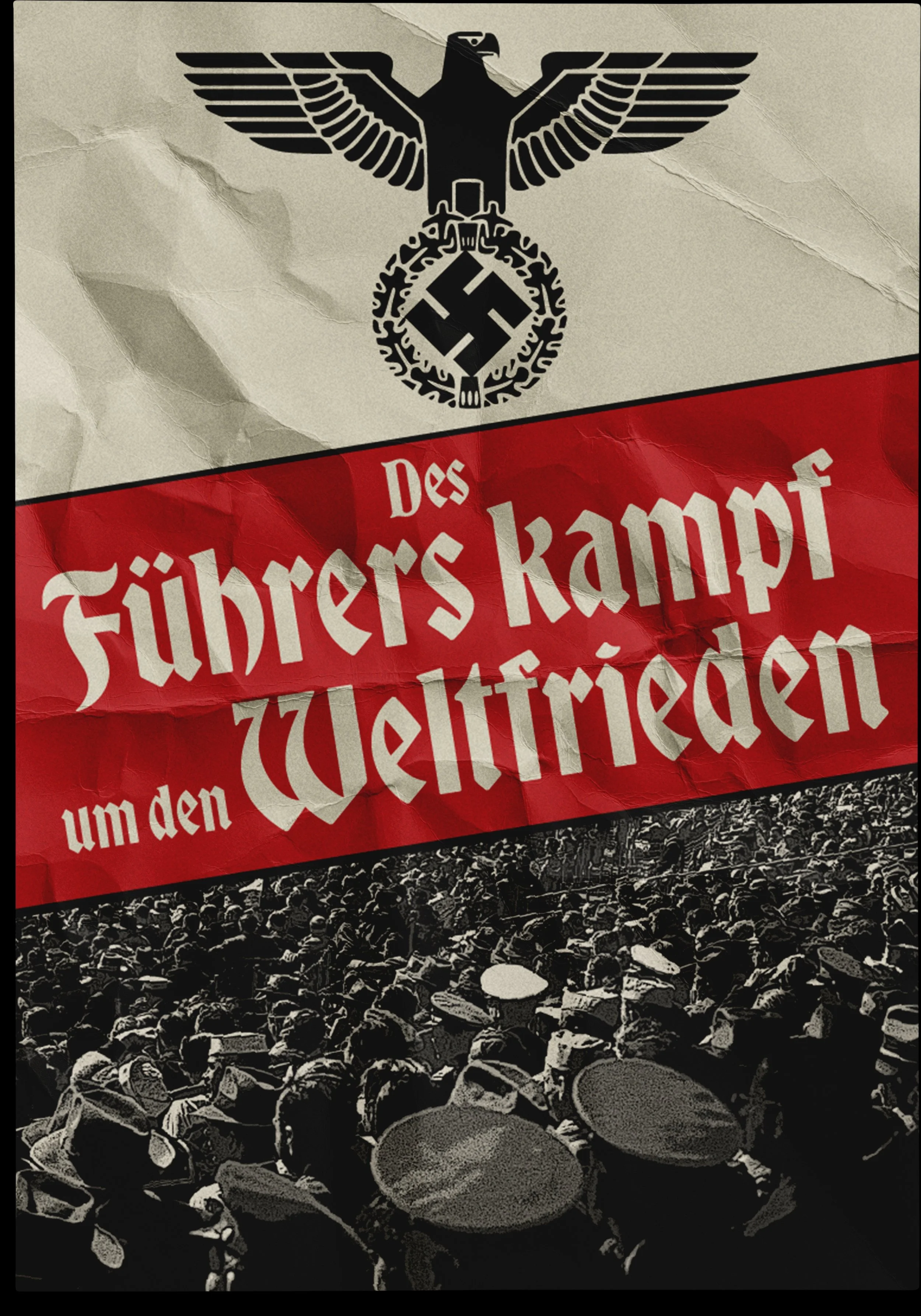
The Führer's Struggle for World Peace
After the Nazi Party came to power in 1933, blackletter typefaces such as Fraktur were promoted as symbols of German identity and widely used in propaganda. This revival was short-lived. Seeking a more modern and internationally legible visual language, the regime later rejected Fraktur in favour of Roman type. In 1941, an official decree mandated Roman type as the standard across Germany.
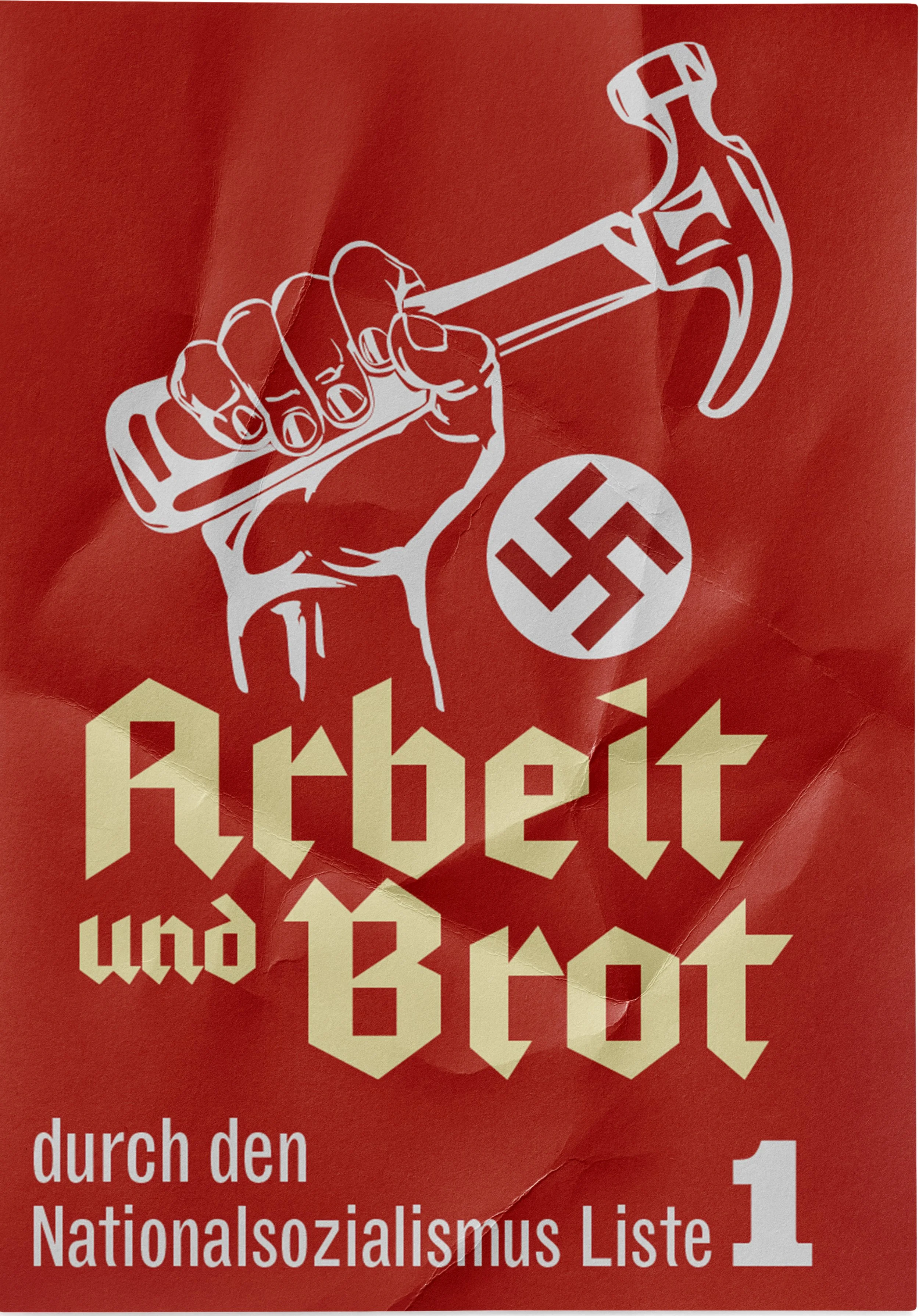
Work and Bread
Through National Socialism List 1
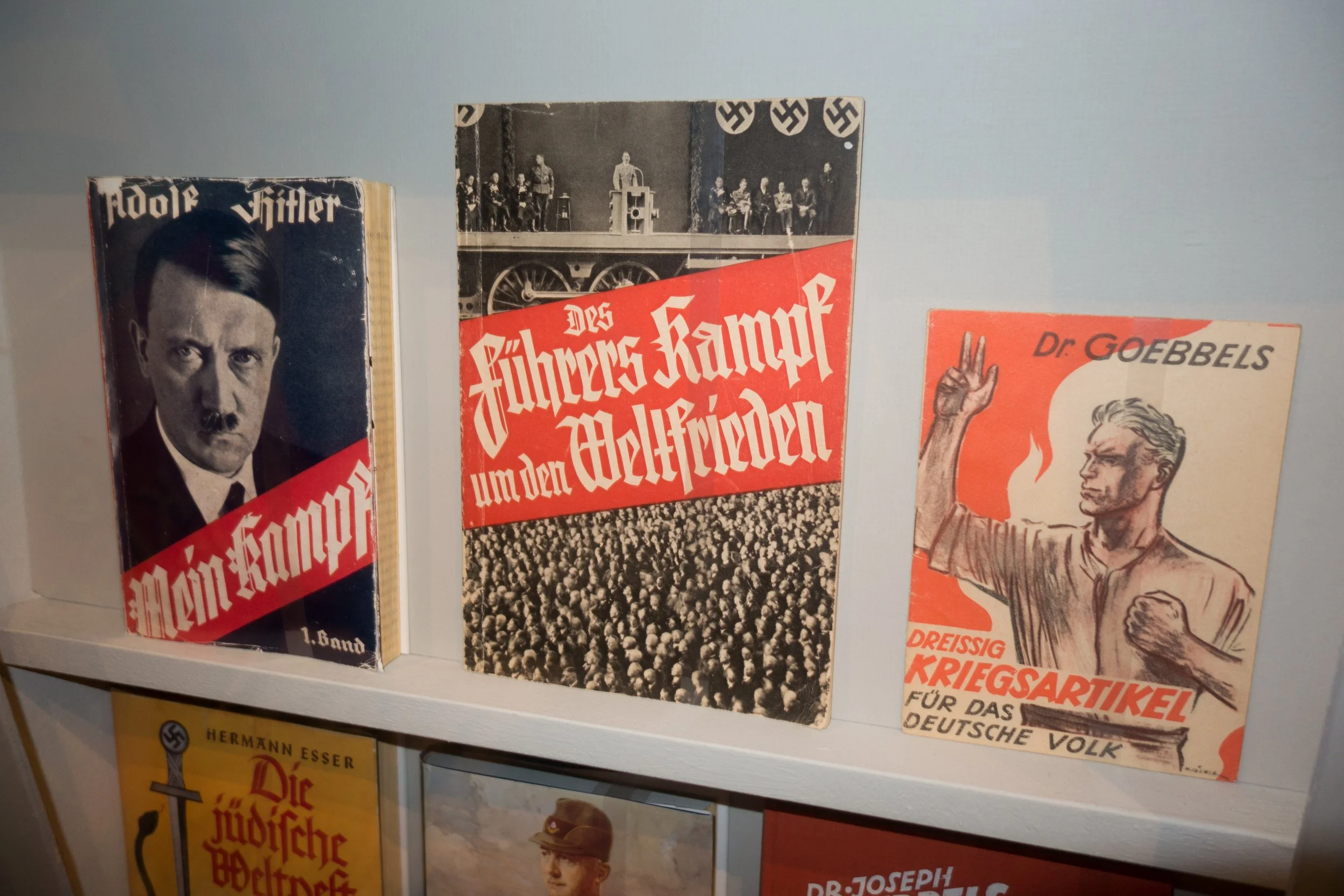
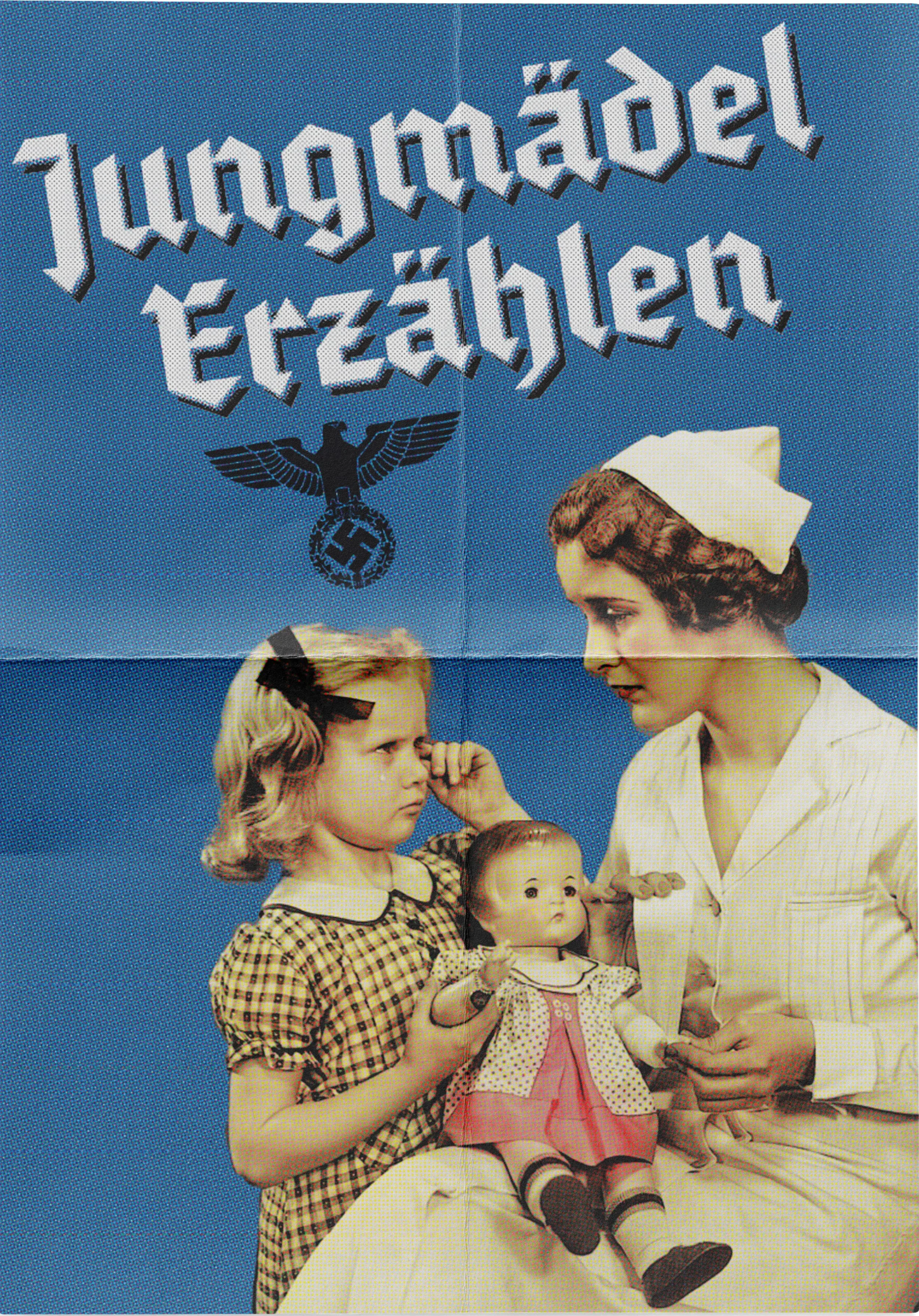
Young Girl’s Story
Original designs grounded in archival German propaganda
Archival reference and stock imagery used to reconstruct historically accurate propaganda under copyright and budget constraints.
For hero scripted graphics with longer schedules and larger budgets, original photography would typically be cleared and custom illustration commissioned.
Given the turnaround and usage requirements on Outrageous, using cleared stock imagery was the most practical and responsible solution, allowing accurate period design without introducing clearance risk or production delay.
German text sourced from authentic period slogans and cross-checked to ensure linguistic accuracy.
Photo by Thomas Quine (CC BY SA 2.0)
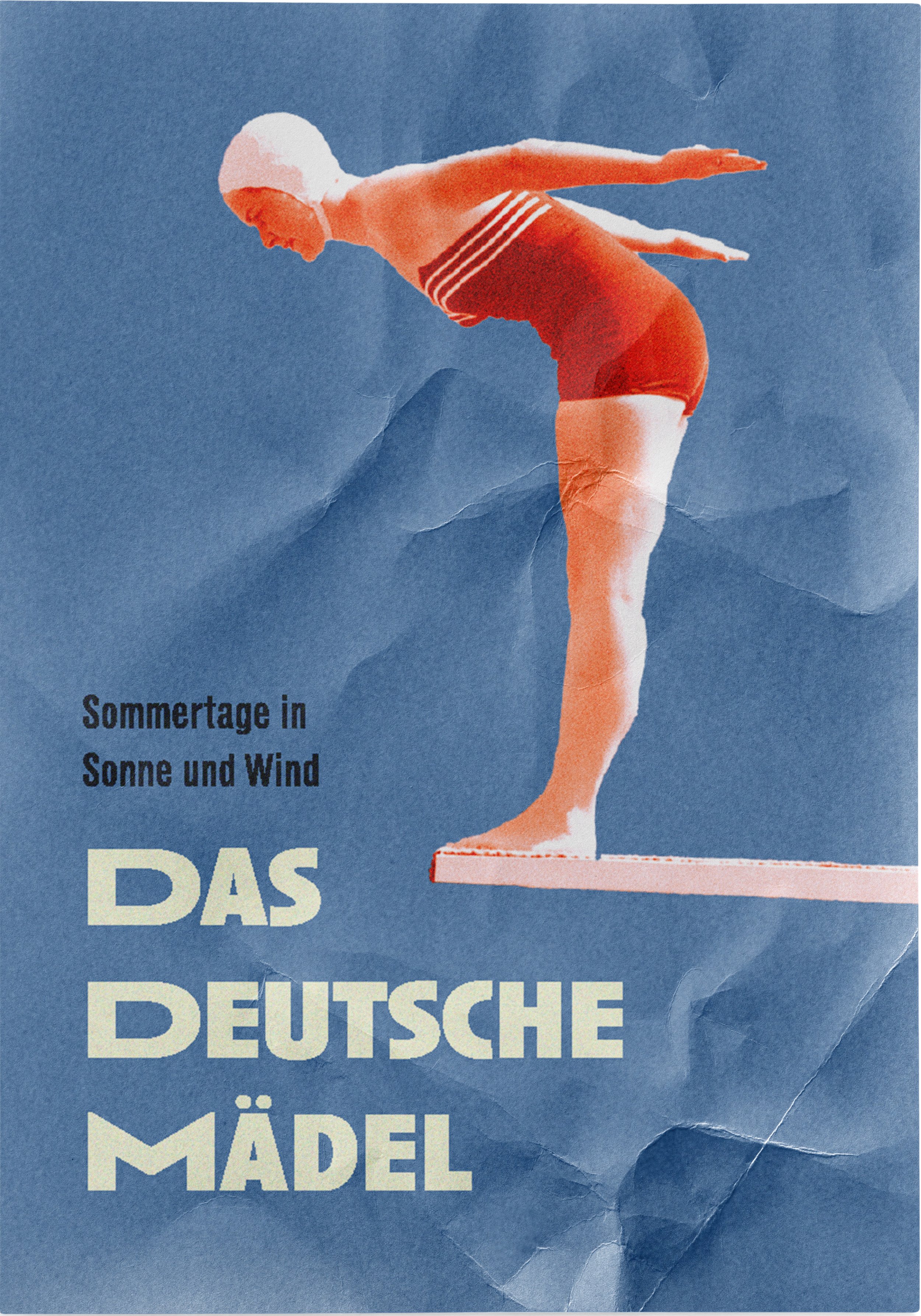
Summer days in Sun and Wind
The German Girl
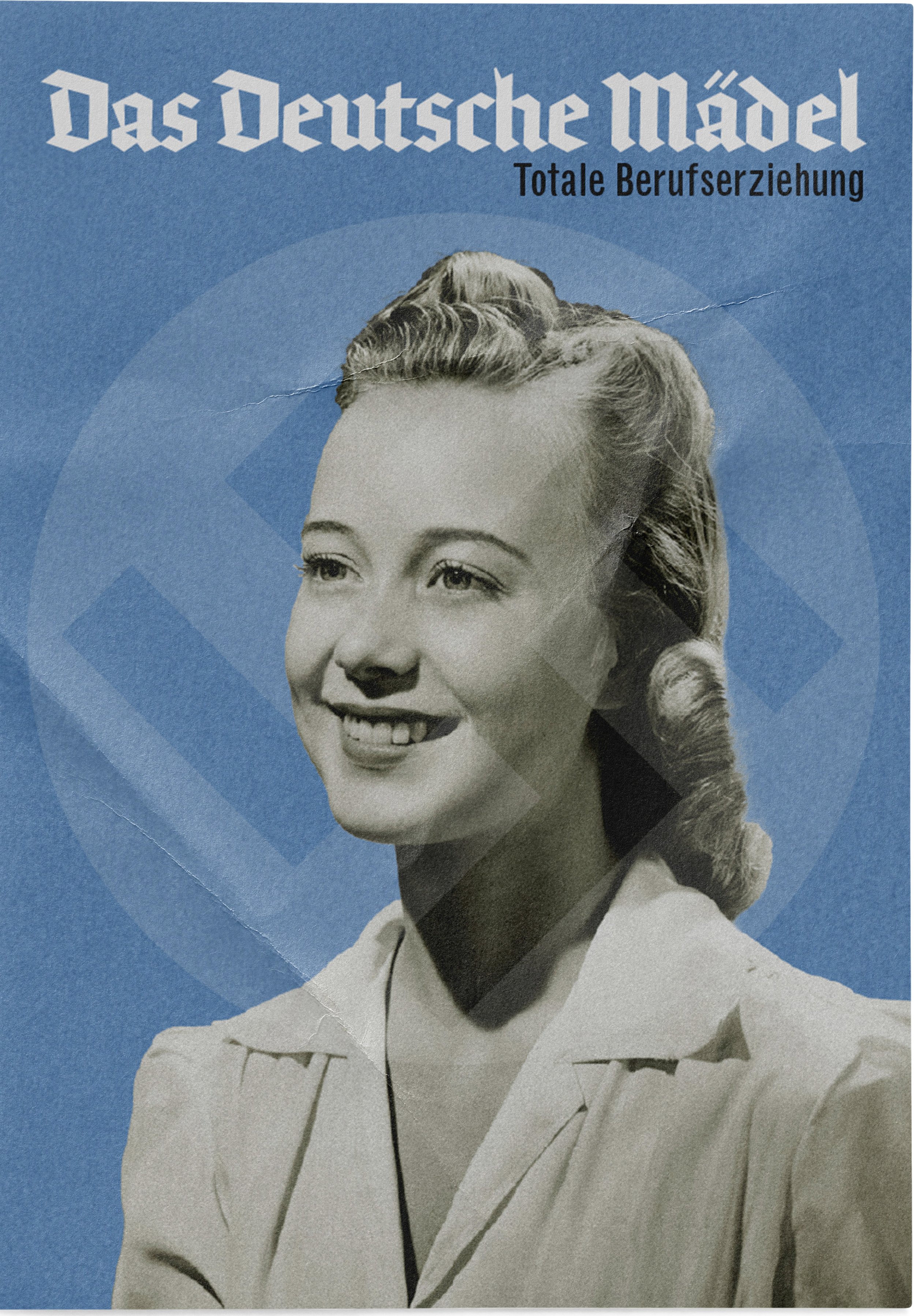
The German girl
Total vocational training
The propaganda posters above avoid overt violence, instead drawing on idealised imagery commonly used by the regime to promote order, strength and unity in the Nazi regime, supporting the narrative of a young woman’s gradual seduction by fascist ideology.